
 Image 1 of 2
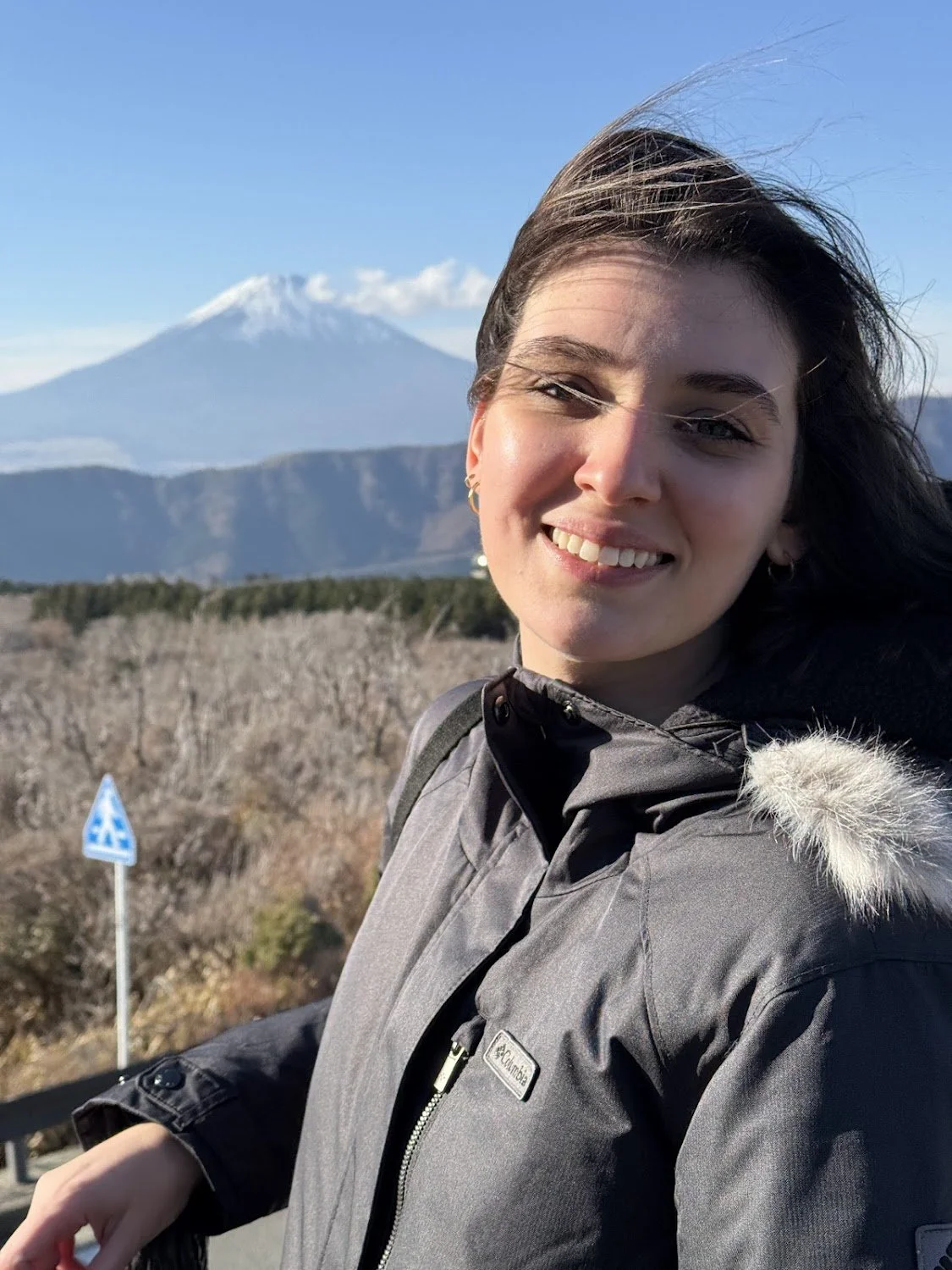 Image 2 of 2
WordPlay is a discussion-based workshop designed for writers who want thoughtful feedback, fresh perspectives, and a supportive community. Participants will read short submissions in advance then meet monthly to discuss each piece and explore opportunities for revision. Open to all writing, this workshop welcomes writers at any stage of the drafting or editing process. Together, we'll create a space where writers can have fun, challenge themselves, and continue growing their craft.
Maria Telincho is a writer, artist, and aspiring novelist who writes long and short form speculative fiction. Maria has worked in publishing as a writer and editor, but is now solely focused on her own writing and building community.
Feedback Guideline
Giving and receiving feedback is one of the best ways a writer can sharpen their skills while building a supportive community! Learning from each other and respecting each individual voice lifts us all. Always lead with respect, kindness, and care!
Workshop Ettequite
Hate speech, xenophobia, misogyny, racism, and unnecessary violence are not permitted.
While your work is being discussed, allow others to share their thoughts without interruption unless they invite your response.
Snacks are welcome, but please avoid distracting noises while someone is reading.
Whenever possible, save bathroom breaks and movement around the room for designated breaks or discussion periods.
Notes on giving feedback:
Always read with intention and pay attention to any areas the author has specifically asked for feedback.
Everyone is here to improve regardless of writing experience or developing skills. Keep feedback focused on the writing, not the writer.
Be constructive, not destructive. Disliking a character is not feedback; it is an opinion. Use specific writing elements, such as tone, dialogue, and conflict, to explain why you did not think the character worked in the writing.
Give equal praise and feedback. Respect the vulnerability it takes to share creative work by building each other up. Identifying someone’s strengths is just as important as identifying their areas of improvement!
Notes on receiving feedback:
Be open to improvement as a process. It's common to feel emotional when others critique your work. Set the expectation that we all have work to do.
Respect others' opinions. Someone may have a perspective on your writing that is different from your own. That is an opportunity for you to grow.
Respect your readers’ feedback, but trust your own intuition. Ultimately, only you can tell your story, whatever size or shape that story may take!
After receiving any type of feedback, remember to thank the readers who took the time to help you improve.
When discussing a piece, consider:
What stayed with you?
What was working well?
Where did you become confused, distracted, or less engaged?
What questions did the piece raise for you?
What possibilities for revision seem worth exploring?
Registration is required for this workshop so that participants can receive and read each other’s work ahead of the meeting time.
WordPlay is a discussion-based workshop designed for writers who want thoughtful feedback, fresh perspectives, and a supportive community. Participants will read short submissions in advance then meet monthly to discuss each piece and explore opportunities for revision. Open to all writing, this workshop welcomes writers at any stage of the drafting or editing process. Together, we'll create a space where writers can have fun, challenge themselves, and continue growing their craft.
Maria Telincho is a writer, artist, and aspiring novelist who writes long and short form speculative fiction. Maria has worked in publishing as a writer and editor, but is now solely focused on her own writing and building community.
Feedback Guideline
Giving and receiving feedback is one of the best ways a writer can sharpen their skills while building a supportive community! Learning from each other and respecting each individual voice lifts us all. Always lead with respect, kindness, and care!
Workshop Ettequite
Hate speech, xenophobia, misogyny, racism, and unnecessary violence are not permitted.
While your work is being discussed, allow others to share their thoughts without interruption unless they invite your response.
Snacks are welcome, but please avoid distracting noises while someone is reading.
Whenever possible, save bathroom breaks and movement around the room for designated breaks or discussion periods.
Notes on giving feedback:
Always read with intention and pay attention to any areas the author has specifically asked for feedback.
Everyone is here to improve regardless of writing experience or developing skills. Keep feedback focused on the writing, not the writer.
Be constructive, not destructive. Disliking a character is not feedback; it is an opinion. Use specific writing elements, such as tone, dialogue, and conflict, to explain why you did not think the character worked in the writing.
Give equal praise and feedback. Respect the vulnerability it takes to share creative work by building each other up. Identifying someone’s strengths is just as important as identifying their areas of improvement!
Notes on receiving feedback:
Be open to improvement as a process. It's common to feel emotional when others critique your work. Set the expectation that we all have work to do.
Respect others' opinions. Someone may have a perspective on your writing that is different from your own. That is an opportunity for you to grow.
Respect your readers’ feedback, but trust your own intuition. Ultimately, only you can tell your story, whatever size or shape that story may take!
After receiving any type of feedback, remember to thank the readers who took the time to help you improve.
When discussing a piece, consider:
What stayed with you?
What was working well?
Where did you become confused, distracted, or less engaged?
What questions did the piece raise for you?
What possibilities for revision seem worth exploring?
Registration is required for this workshop so that participants can receive and read each other’s work ahead of the meeting time.